
The Lives of the Outcasts
A History of the Vampire in Popular CultureThis thread follows characters who convert supernatural difference into friendship, resistance, or alternative community.
increasing Bearing strength in each event
 decreasing
Bearing strength in each eventdecreasingSookie’s Isolation
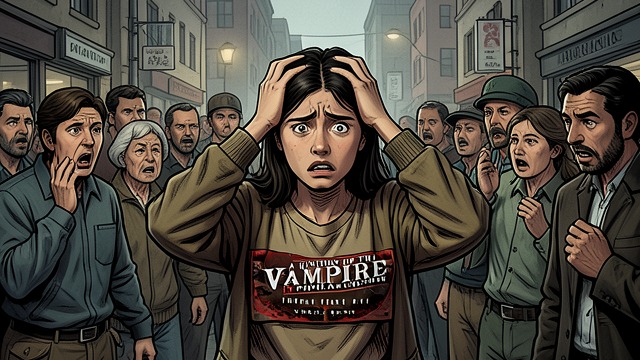
Sookie’s Isolation
Intrusive Telepathy
Sookie Stackhouse cannot escape other people’s thoughts. Her ability turns ordinary social contact into exhausting exposure.
Outsider Strength
Isolation teaches her caution and self-reliance. The very trait that separates her also lets her recognize hidden motives.
Sookie’s Rescue
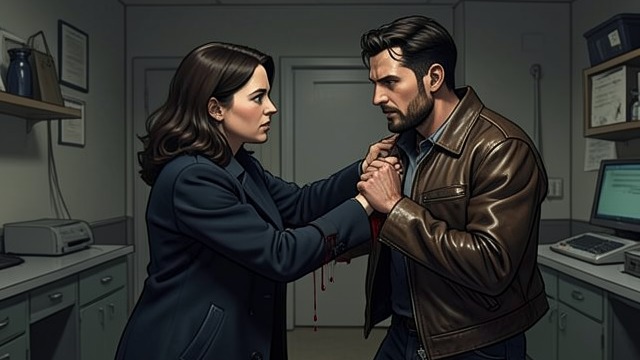
Sookie’s Rescue
Human Intervention
Sookie Stackhouse saves Bill Compton from human attackers who intend to harvest his blood. She refuses to treat him as either monster or commodity.
Ethical Agency
Her decision begins a relationship based on exchange rather than passive seduction. Sookie acts before she fully understands the danger.
Buffy’s Calling
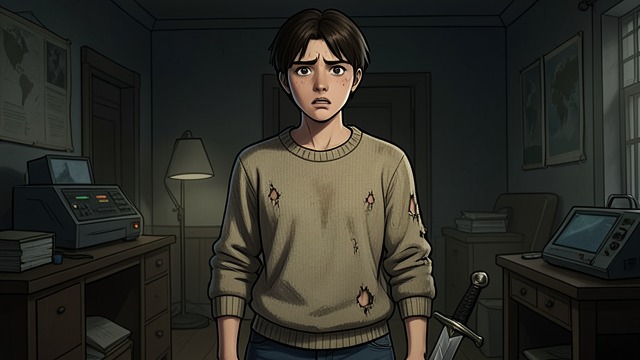
Buffy’s Calling
Chosen Violence
Buffy Summers becomes the Slayer and is expected to fight vampires instead of being rescued by heroes. Adolescence is transformed into a burden of public protection.
Refusal of the Victim Role
She resists the identity before accepting it. Her heroism develops through agency rather than through purity or helplessness.
Eli’s Protection
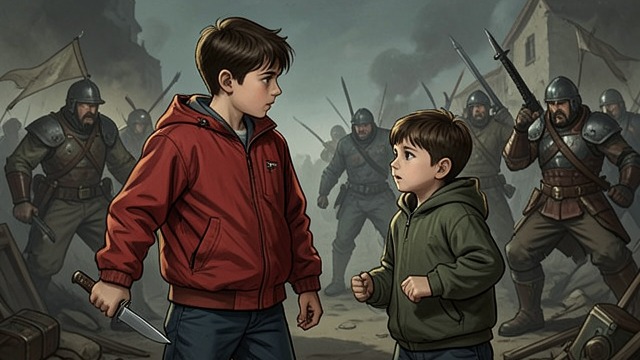
Eli’s Protection
Vulnerable Friendship
Eli forms a bond with Oskar Eriksson, another isolated child. Their relationship offers acceptance outside ordinary gender and age expectations.
Violent Rescue
When Oskar is attacked, Eli kills his assailants. Protection becomes inseparable from the vampire’s capacity for brutal action.
Fran’s Digital Community
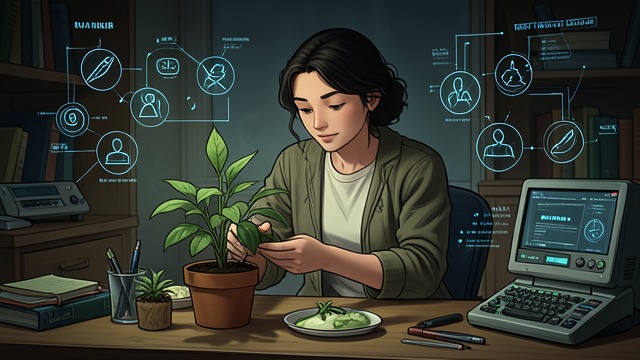
Fran’s Digital Community
Ethical Simulation
Fran Hansen creates vampire characters in The Sims who live vegan, caring lives. The game becomes a controlled space for rehearsing moral decisions.
Sympathy for Monsters
Her creations express the belief that monsters may be made rather than born. Digital storytelling turns fear into a practice of compassion.
before Bill’s arrival
the first season
age fifteen
2004
the contemporary period
